Creating Climate-Resilient Landscapes: Adaptive Design Techniques from Kehl May 14, 2026
Understanding the principles of climate-resilient landscaping is the first step. Such landscapes are planned with strategically chosen plants, sustainable practices, and smart water management systems. Our mission is to establish grounds that reduce the impact of extreme weather, conserve resources, and provide lush, green spaces that are both beautiful and functional.
One of the key components of climate-resilient landscapes is biodiversity. A varied plant palette ensures resilience against plant-specific diseases and pests, which often rise with changing climates. At Kehl, we advise using native plants that are naturally adapted to local weather patterns. These plants tend to require less water and maintenance, significantly reducing the need for intervention with irrigation and fertilizers.
Water management is another crucial aspect of adaptive landscape design. Droughts and heavy rainfall, two sides of the climate change coin, can pose challenges to traditional lawns and gardens. Our techniques include the installation of rain gardens and permeable paving that help manage runoff and support water infiltration into the soil. These methods not only protect your landscape from erosion and flooding but also enhance the overall soil quality.
Incorporating technology into landscaping can also play a vital role. Smart irrigation systems equipped with sensors to monitor soil moisture levels minimize water waste while ensuring plants receive the appropriate amount of hydration. Moreover, these systems can be programmed to respond to weather forecasts, adjusting watering schedules based on predicted rainfall or temperature changes.
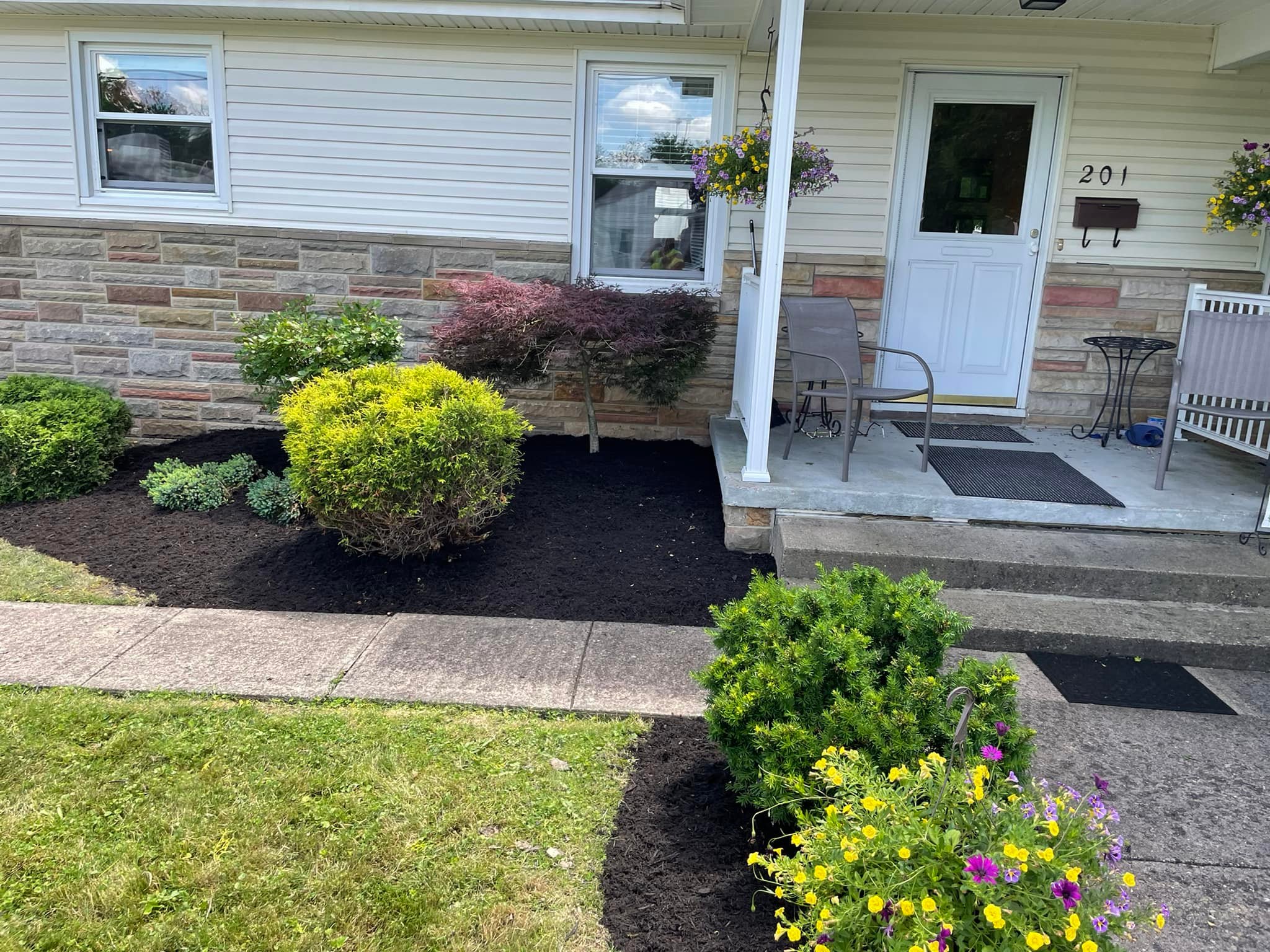
Mulching is a simple yet effective technique that we use to protect plant roots, regulate soil temperature, and retain moisture. This not only supports the health of your plants during dry spells but also naturally enriches the soil over time. Additionally, strategic mulching and ground cover can reduce the growth of weeds, which often compete with landscapes for vital nutrients.
Embracing a holistic approach that combines these elements constitutes the core of adaptive landscape design at Kehl. We ensure that projects account for both current climate realities and projected environmental changes. Our team is dedicated to continuously educating ourselves and our clients on the best practices for creating and maintaining climate-resilient landscapes.
In conclusion, designing a climate-resilient landscape is about preparing for the future while enhancing today's environmental aesthetics. At Kehl Lawn and Landscape, we strive to cultivate spaces that are not only beautiful but sustainable, providing ecological benefits for years to come. Whether incorporating native plants or installing smart irrigation systems, our adaptive design techniques cater to an ever-evolving climate. By choosing to invest in a resilient landscape, you're not only contributing to environmental conservation but also ensuring the lasting beauty and functionality of your outdoor spaces.
As climate resilience grows more relevant, partnering with experienced landscapers like Kehl can transform your landscape into a resilient, eco-friendly sanctuary. Contact us today to start adapting your landscape to meet climate challenges head-on.
/filters:no_upscale()/filters:format(webp)/media/c6050b3f-a3af-418a-bde0-133a3a6a7323.jpeg)